

Imprint of Vulnerability
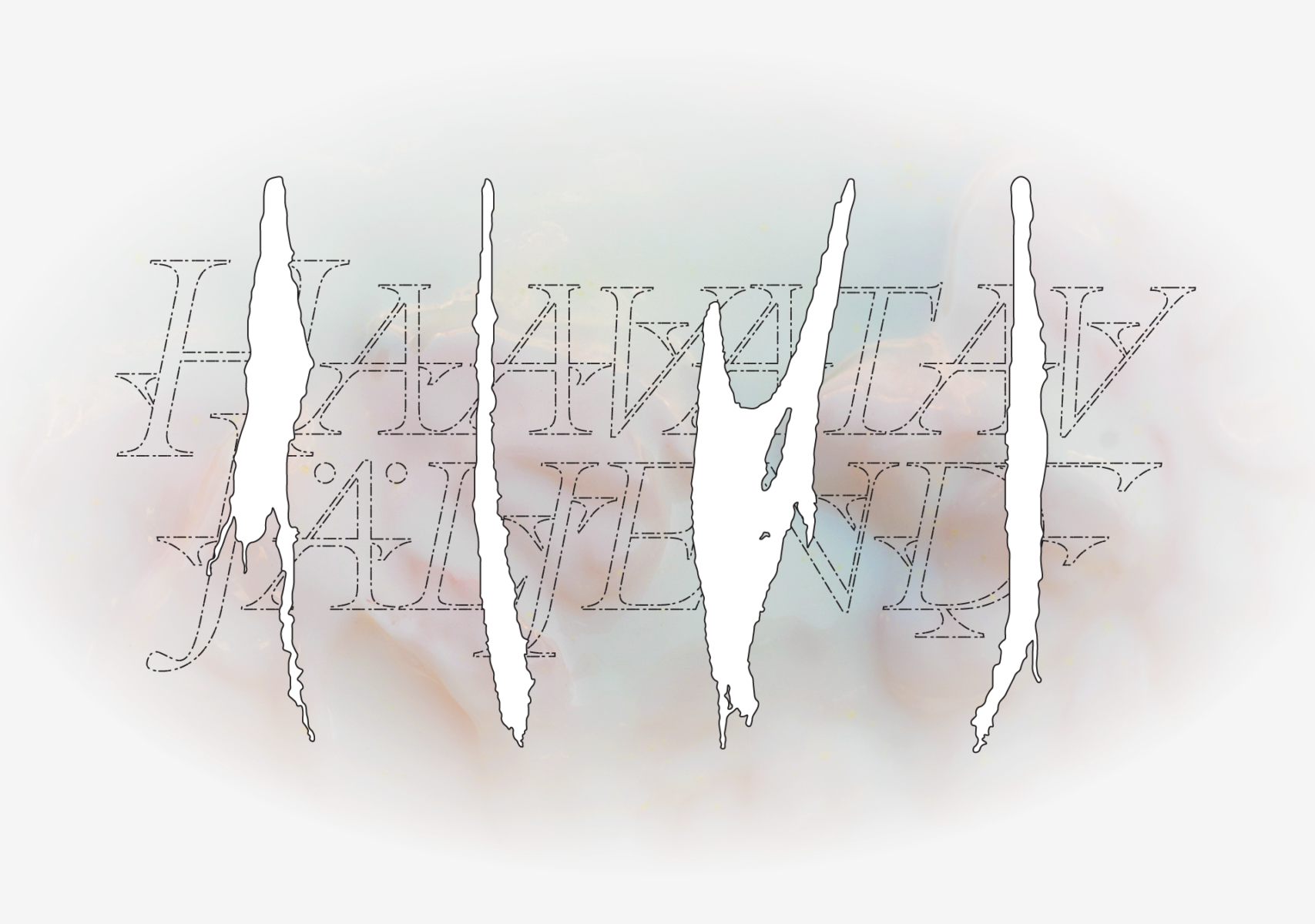
The joint exhibition by Mari Männa and Maria Erikson approaches material as an active participant. Fragility and delicacy operate here as working methods: form emerges through cracking, breaking, and acts of care. Drying, deformation, and the formation of imprints are not deviations or failures, but part of a process through which material remembers, transforms, and shapes its own rhythm. The exhibition is curated by Madli Ljutjuk.
“Imprint of Vulnerability approaches fertility beyond biological or gender-defined terms. Here, fertility is understood as an existential condition: the capacity to change, to be receptive, and to remain within uncertainty. The exhibition invites viewers to experience fragility and delicacy not as weakness, but as sources of vitality and renewal, fostering a sense of connection to a bodily, cyclical understanding of life,” explains curator Madli Ljutjuk.
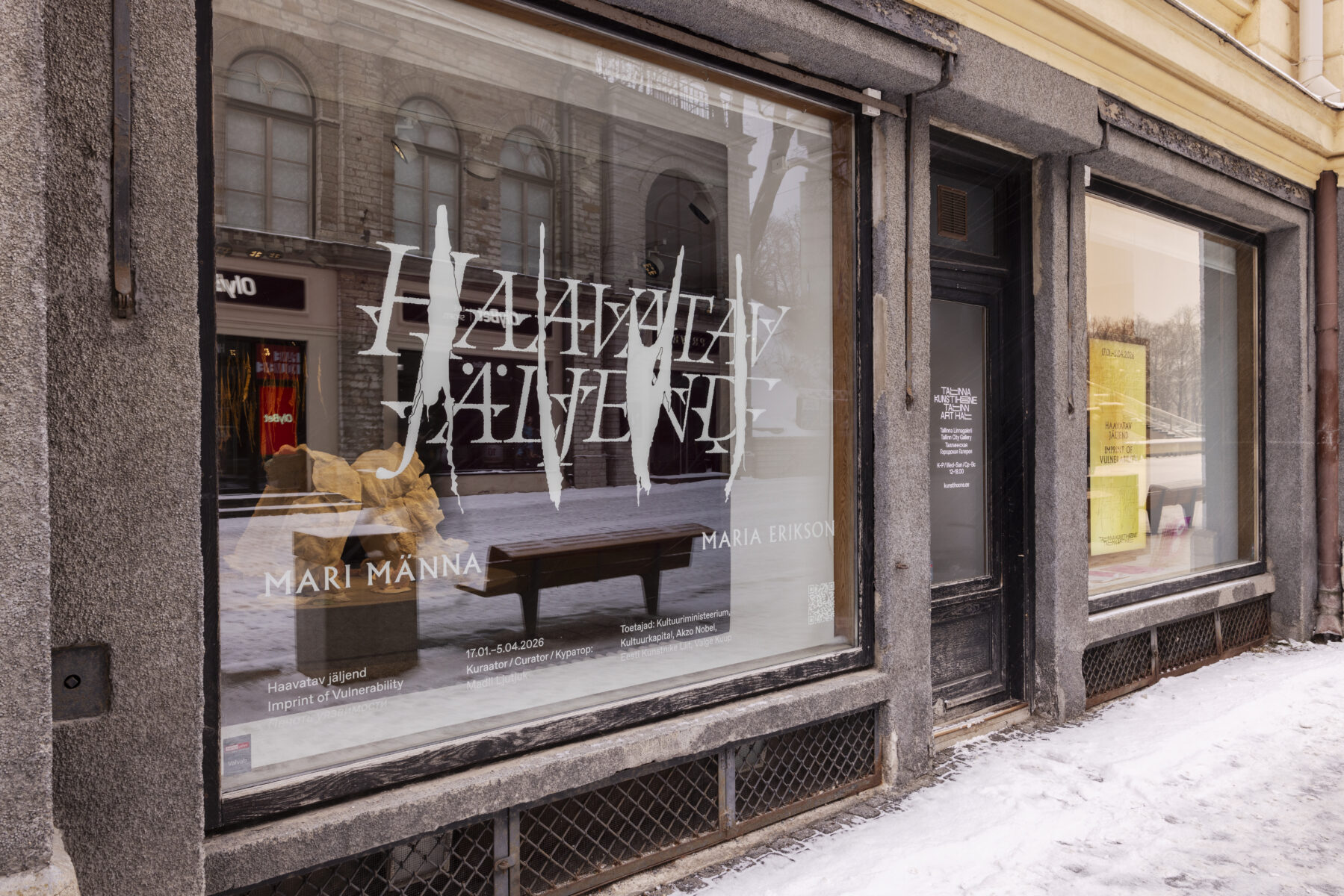
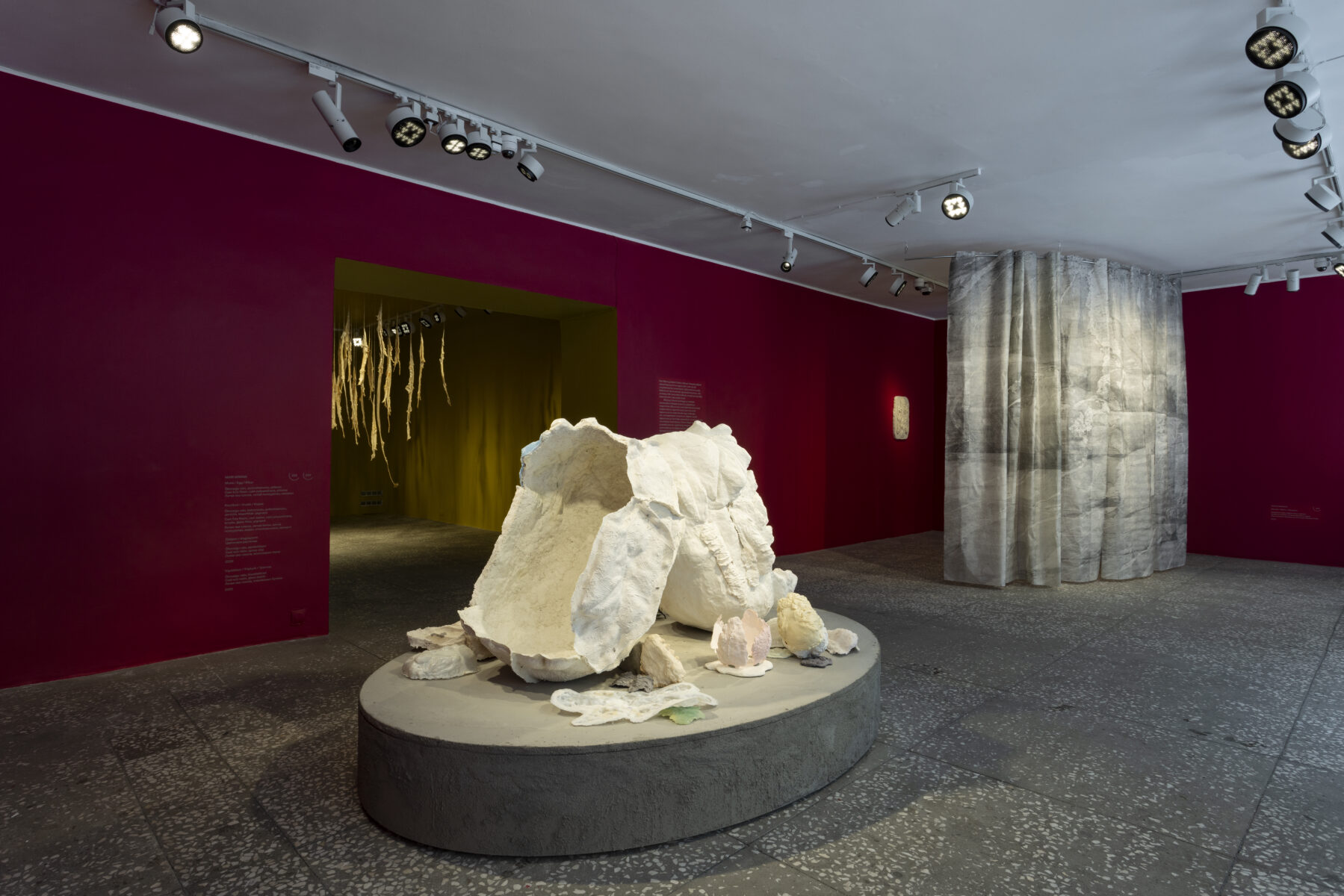
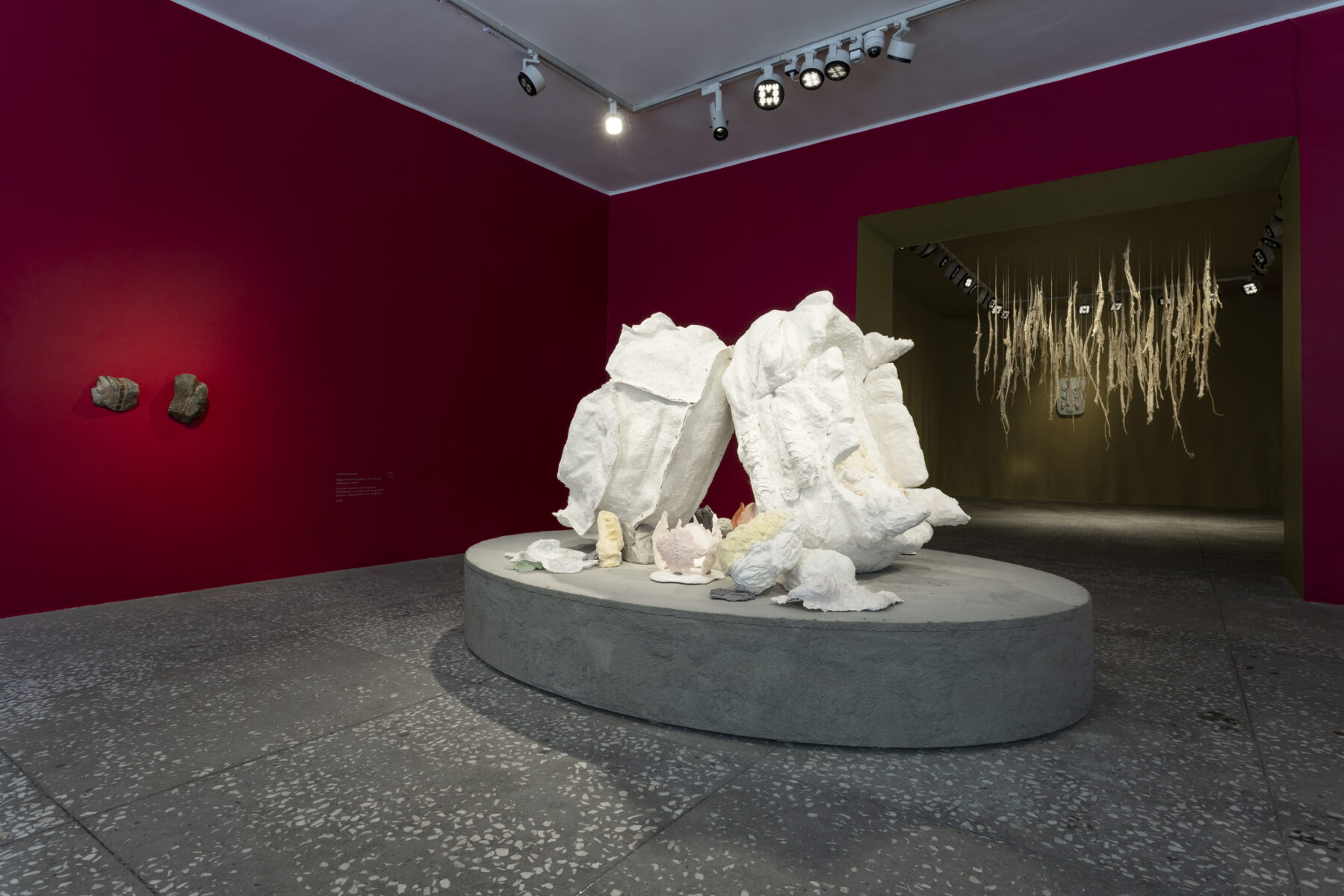
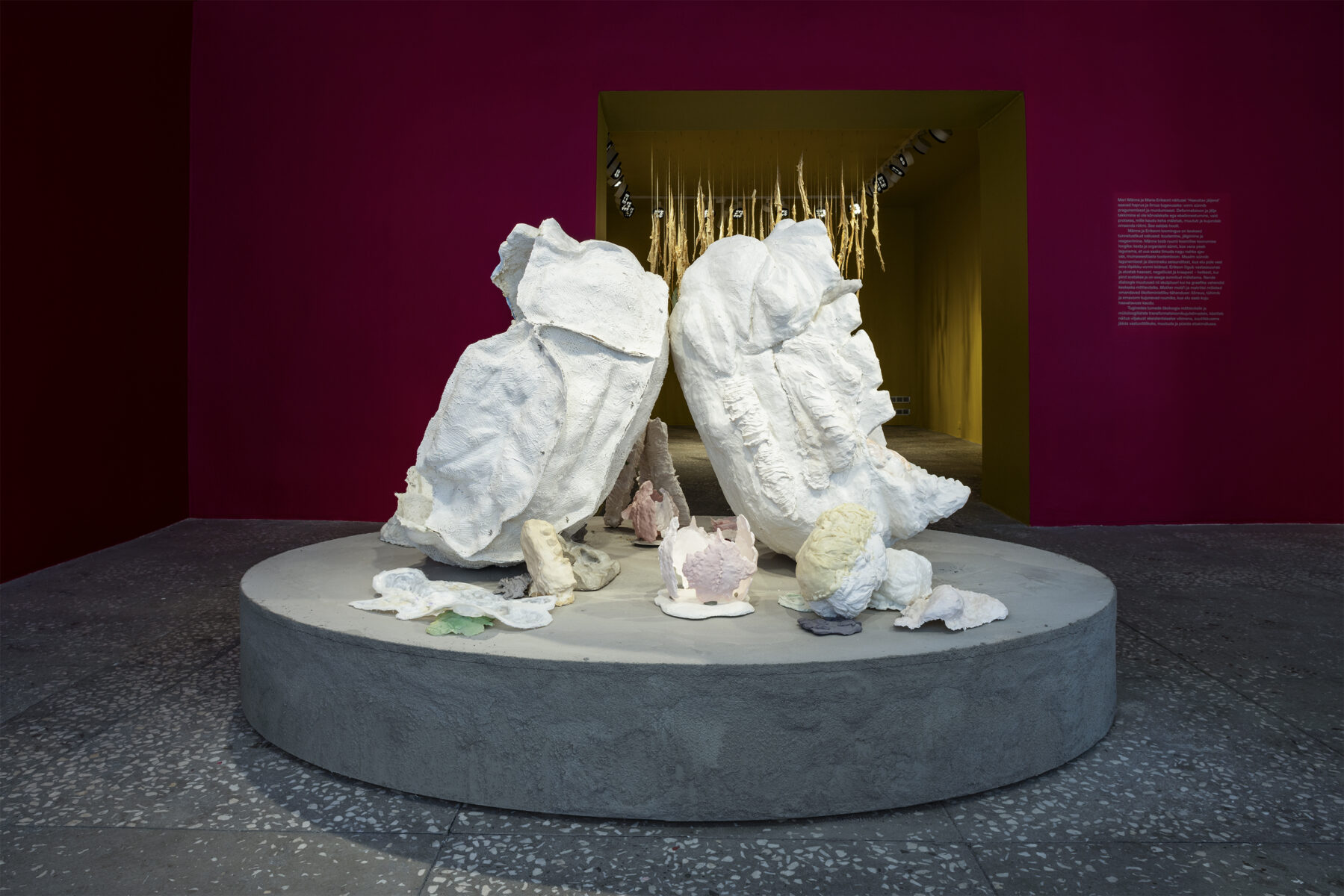
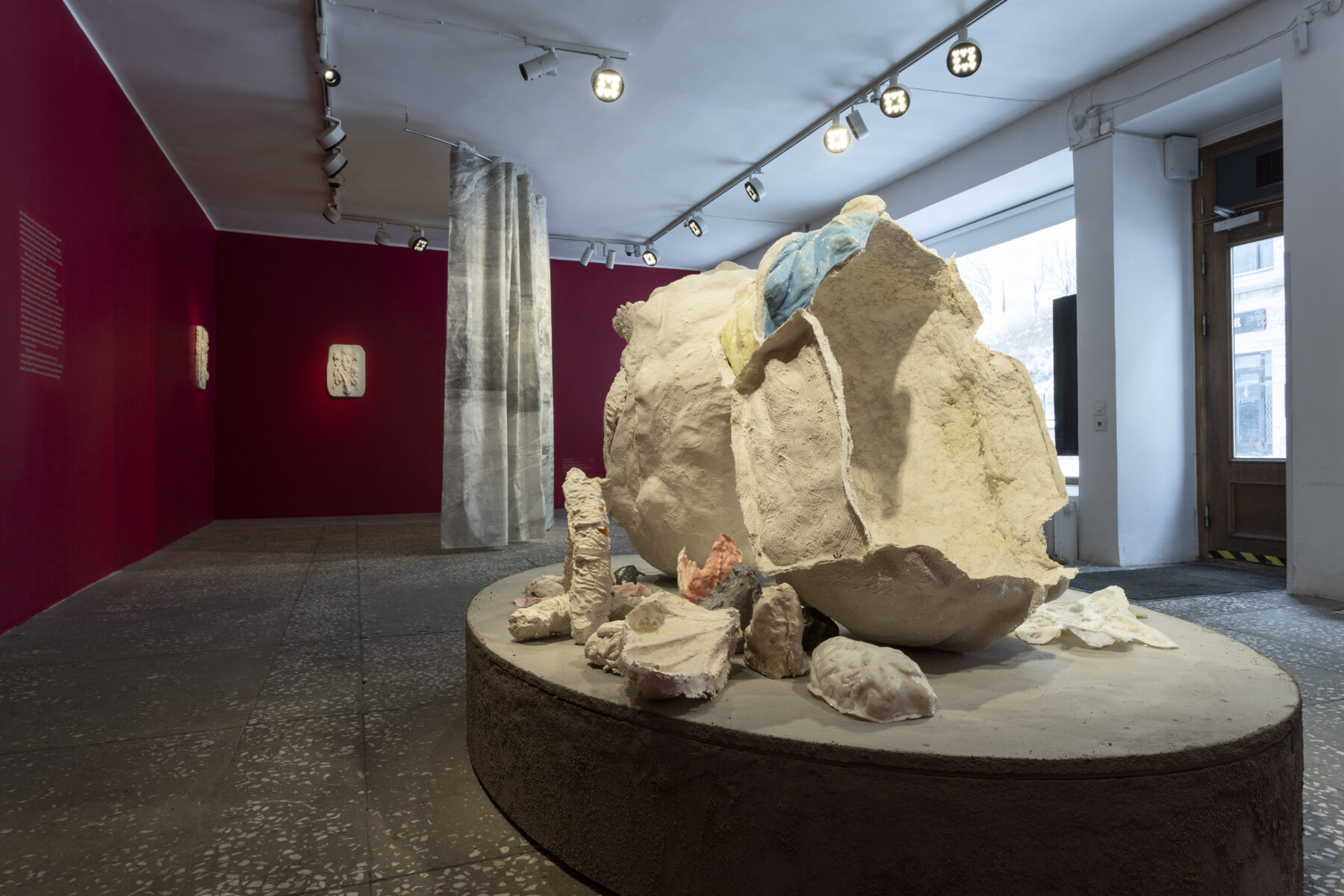
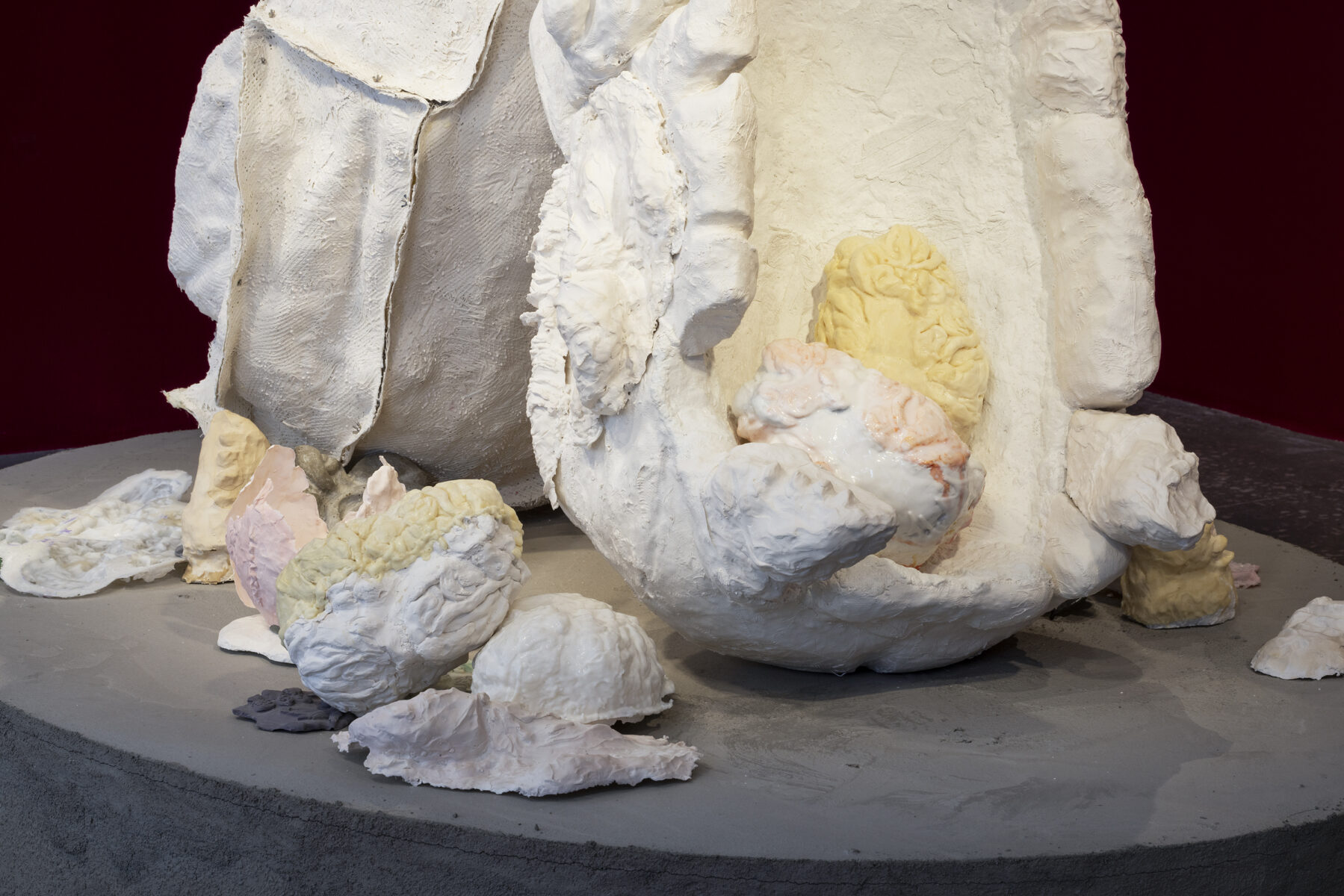
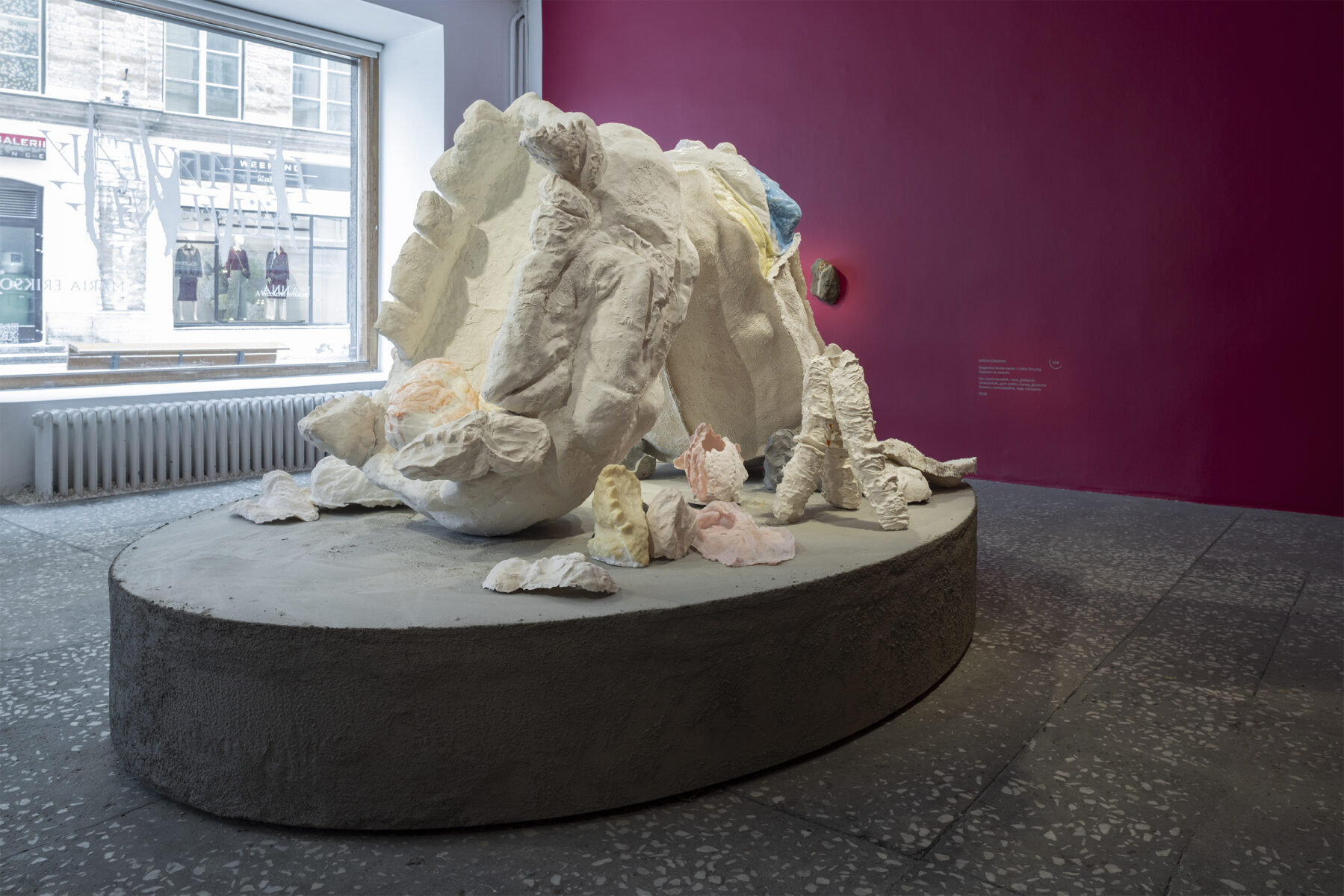
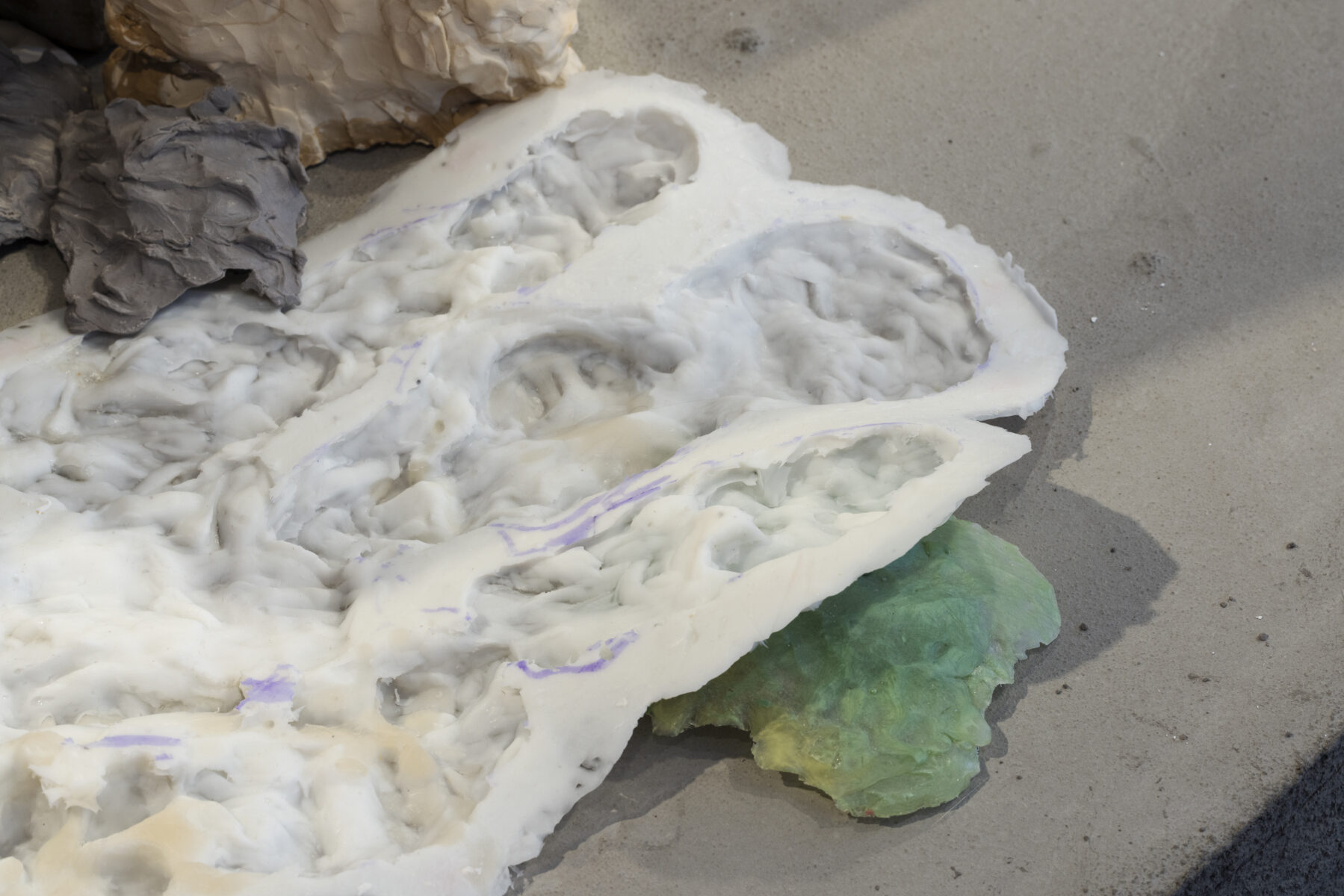
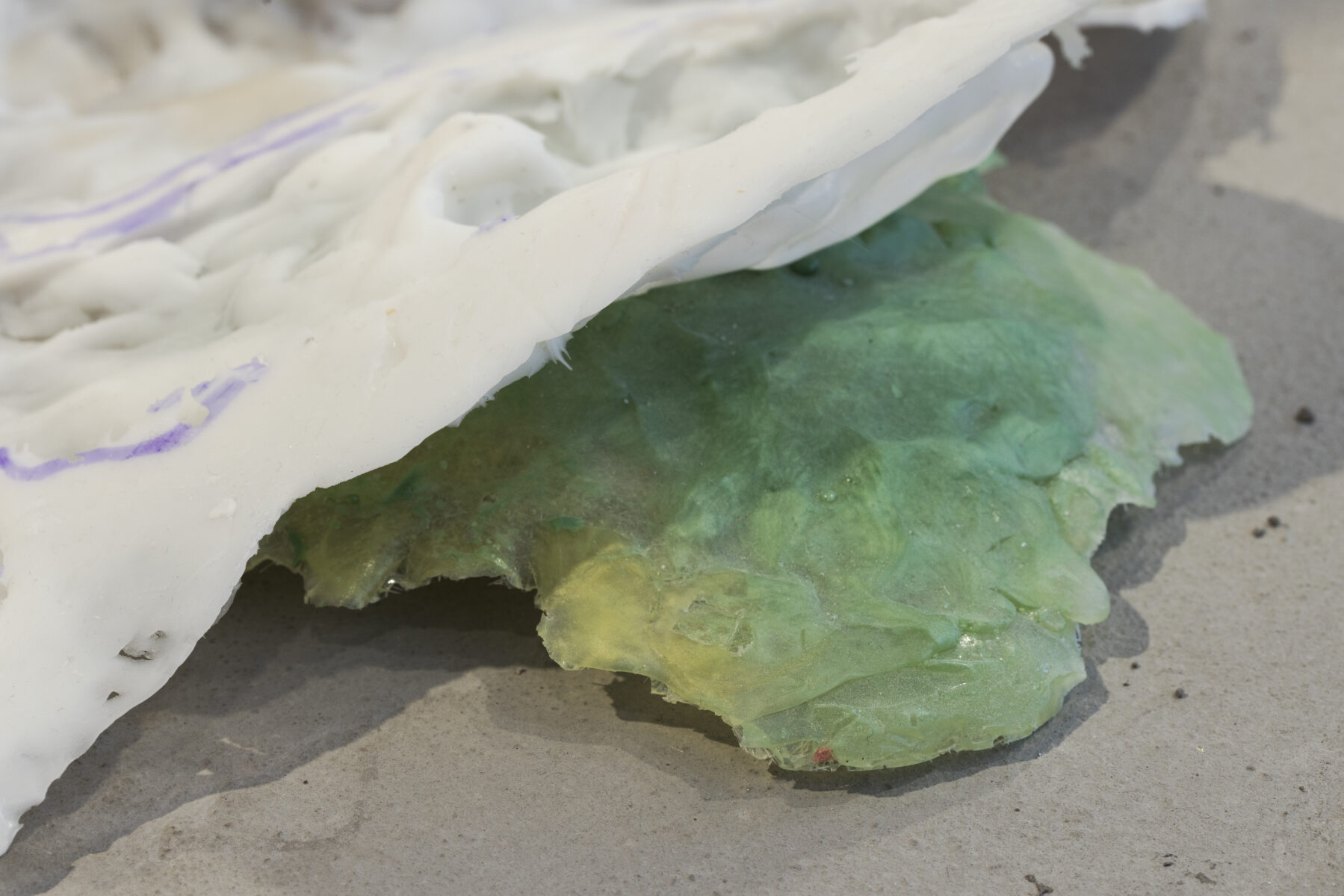
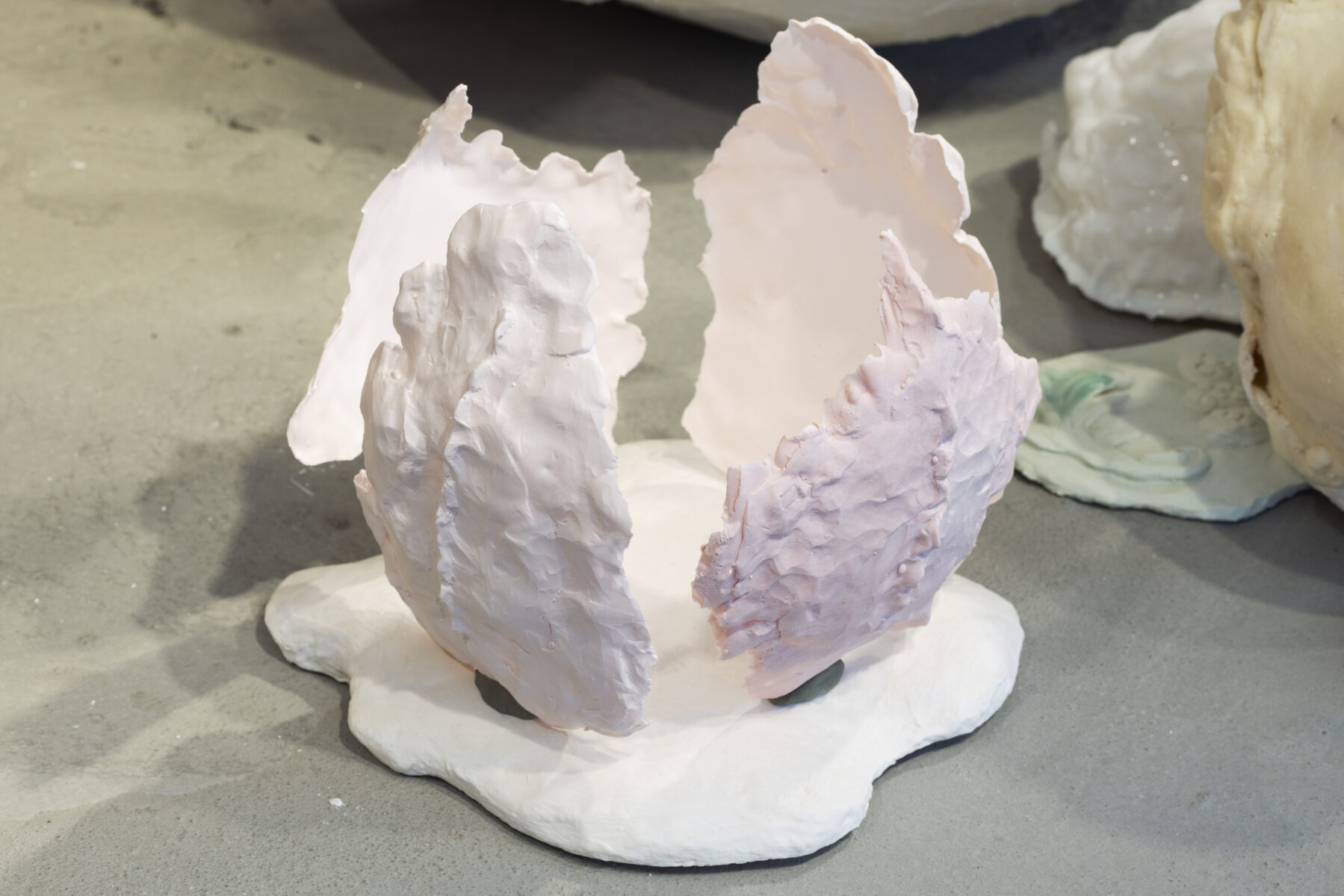
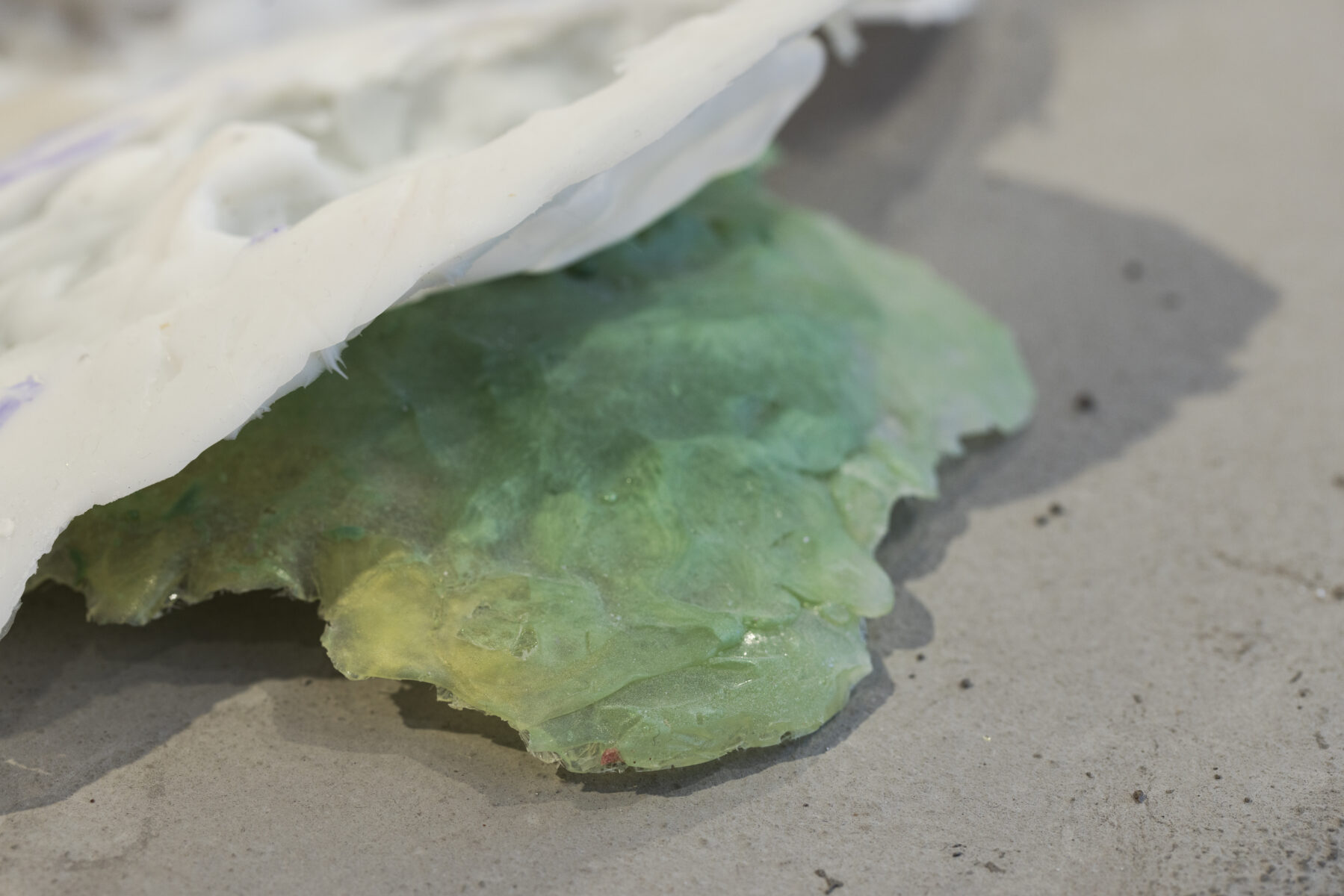
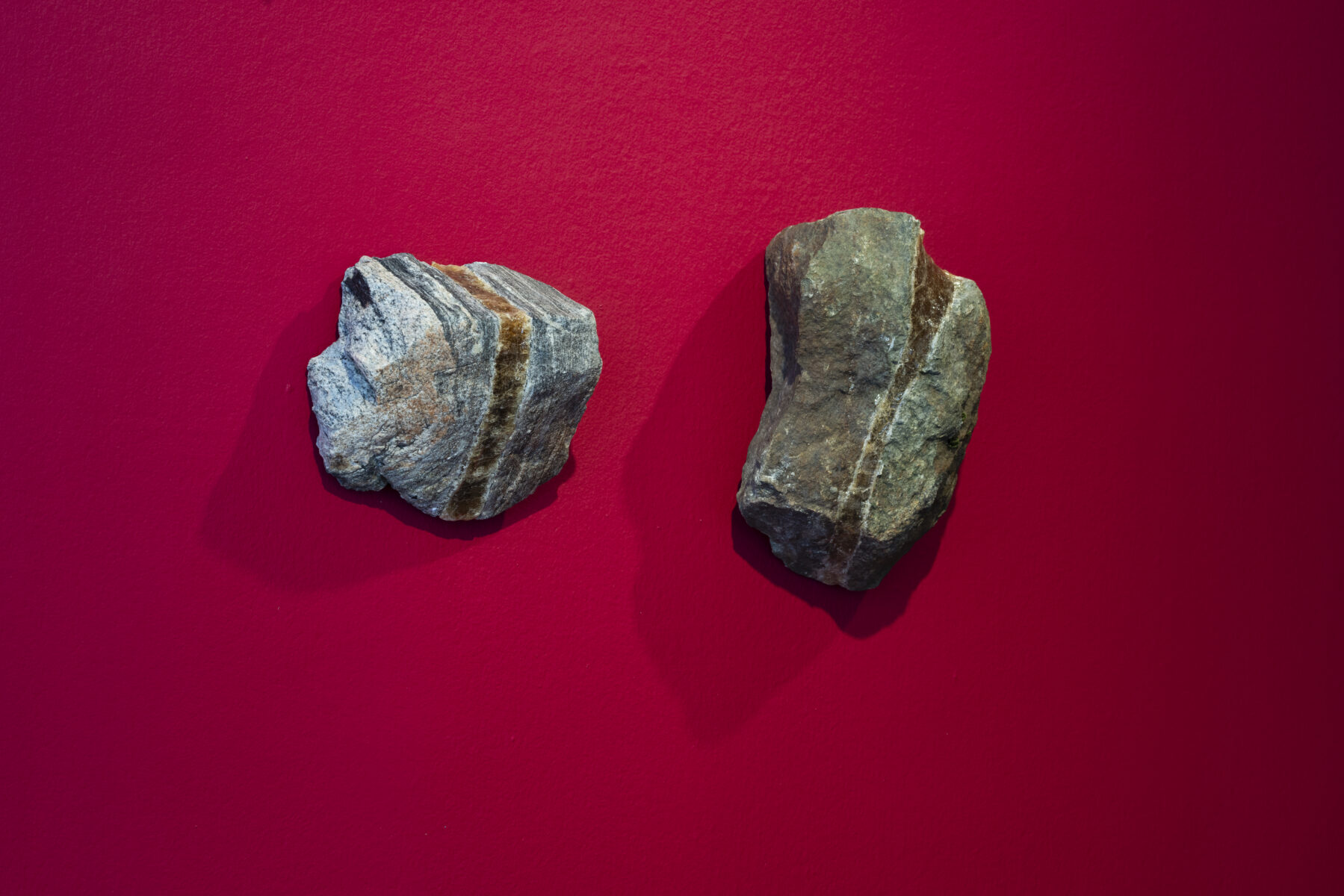
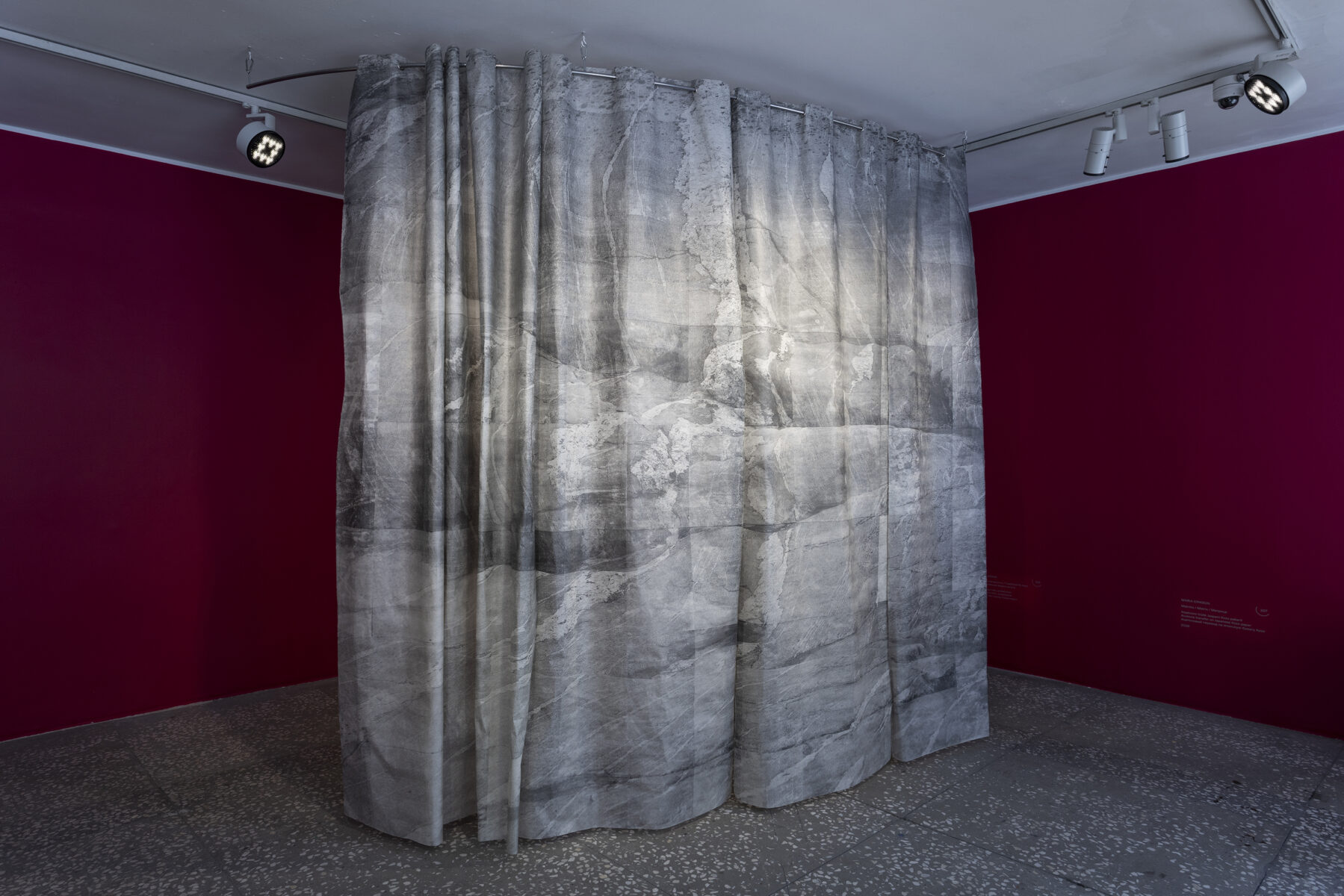
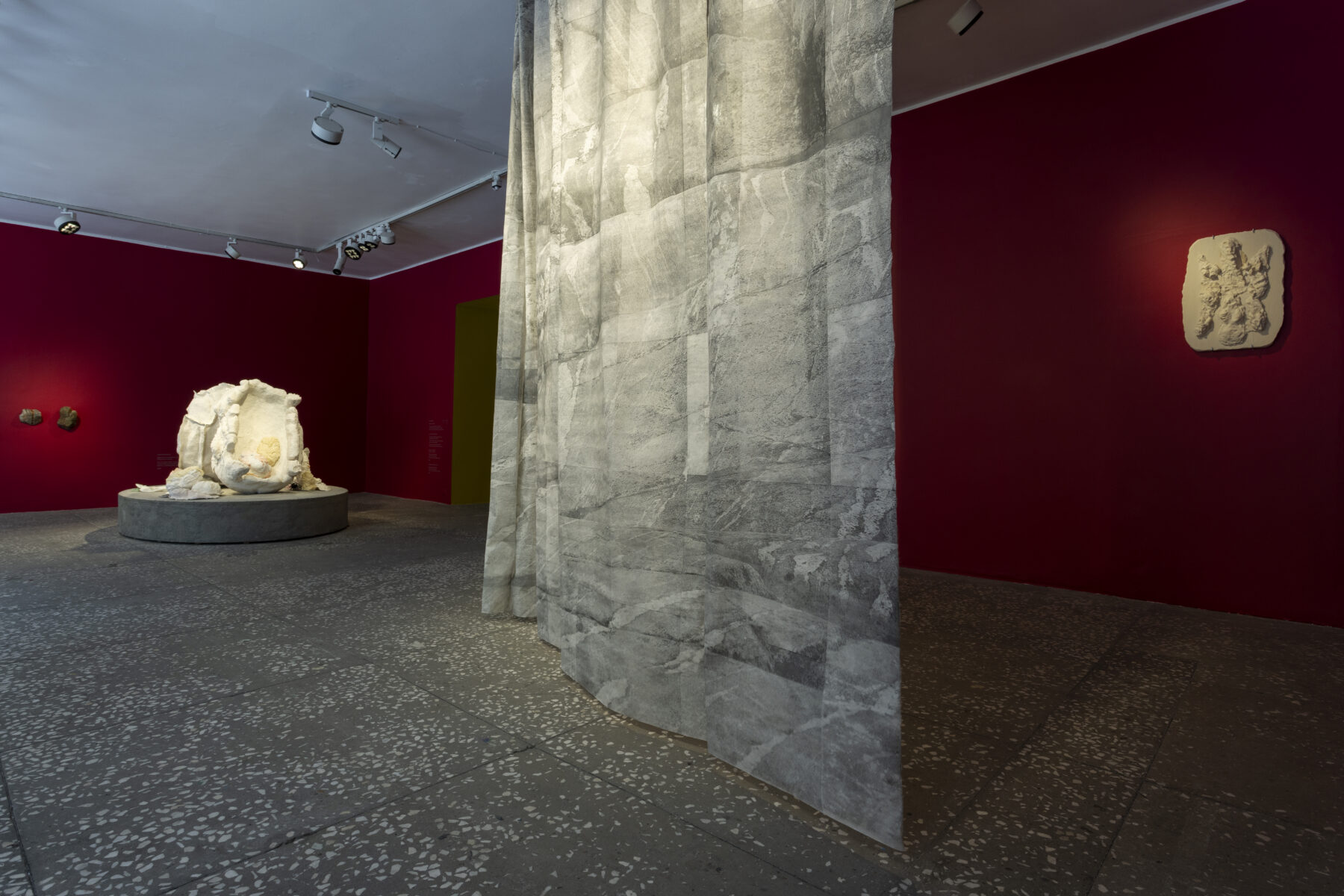
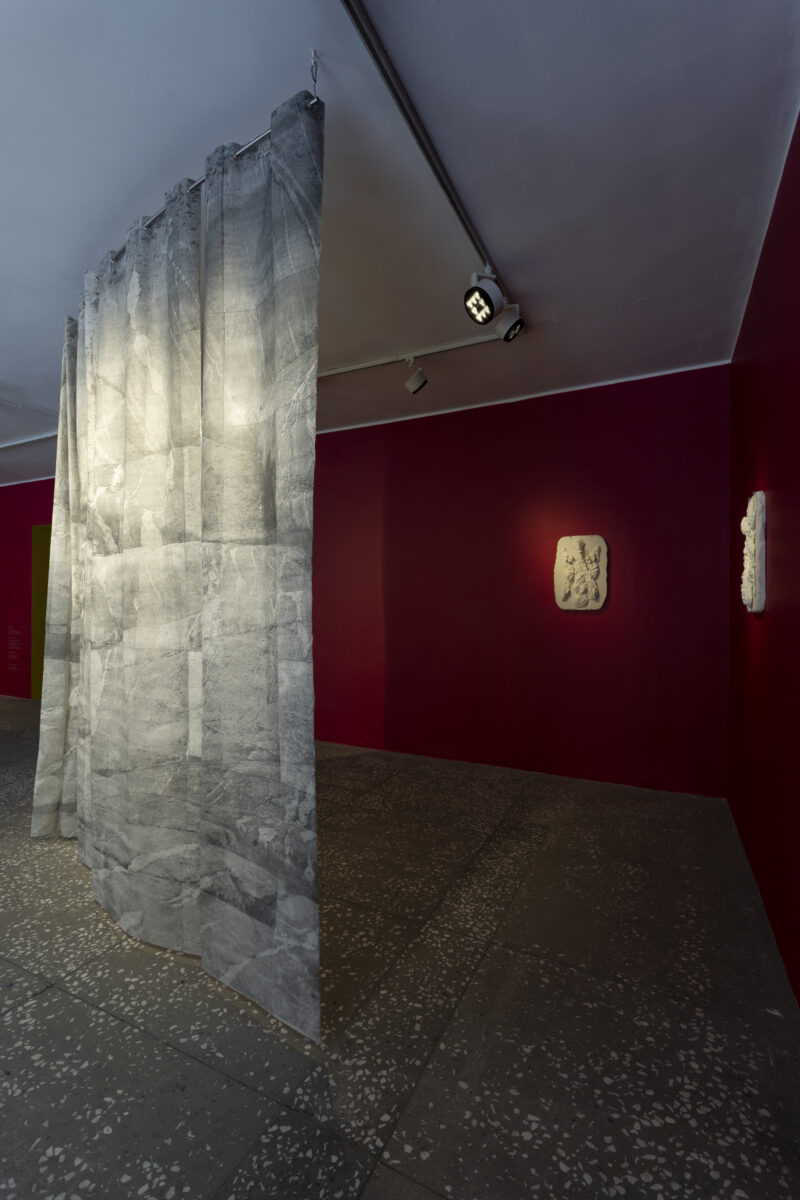
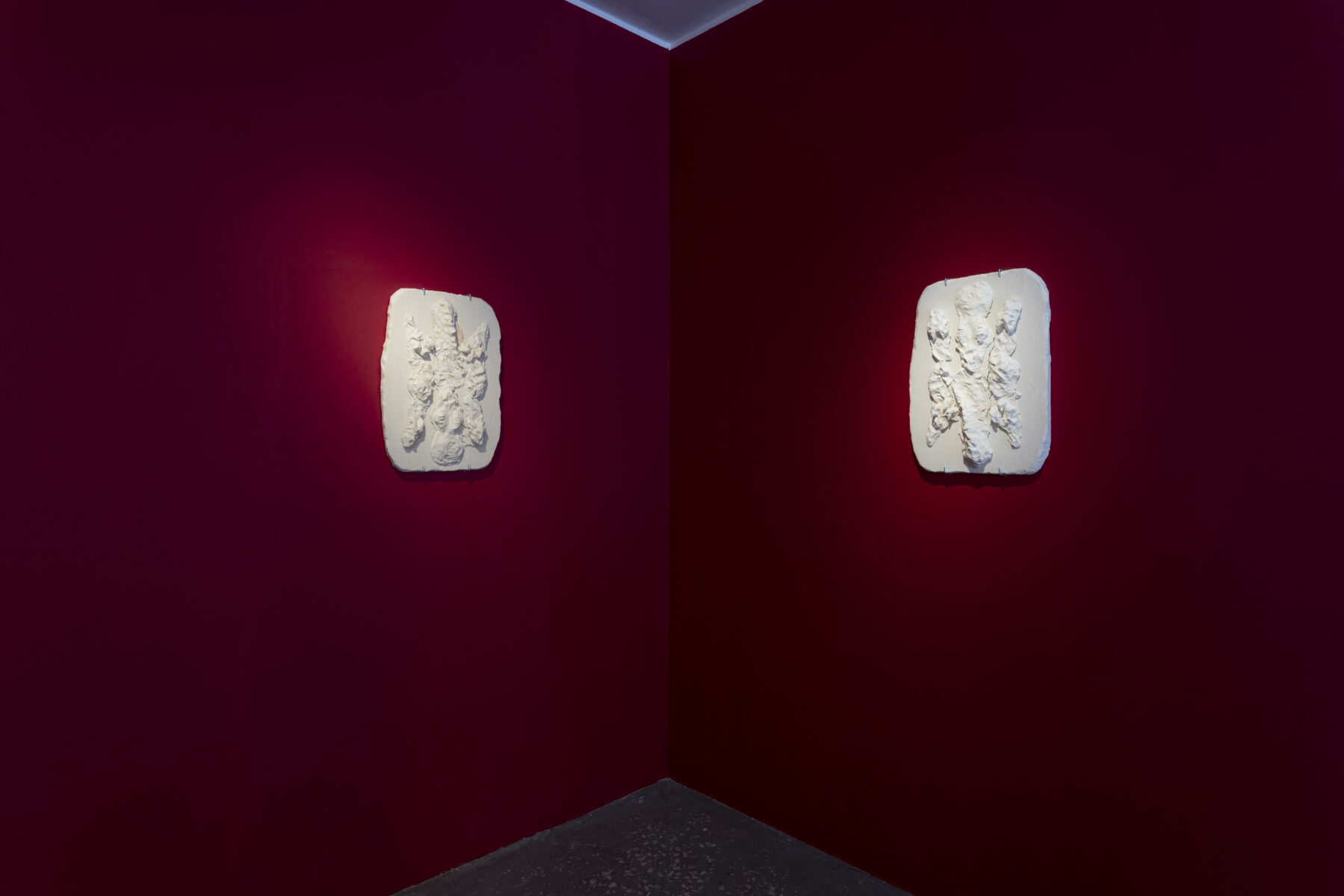
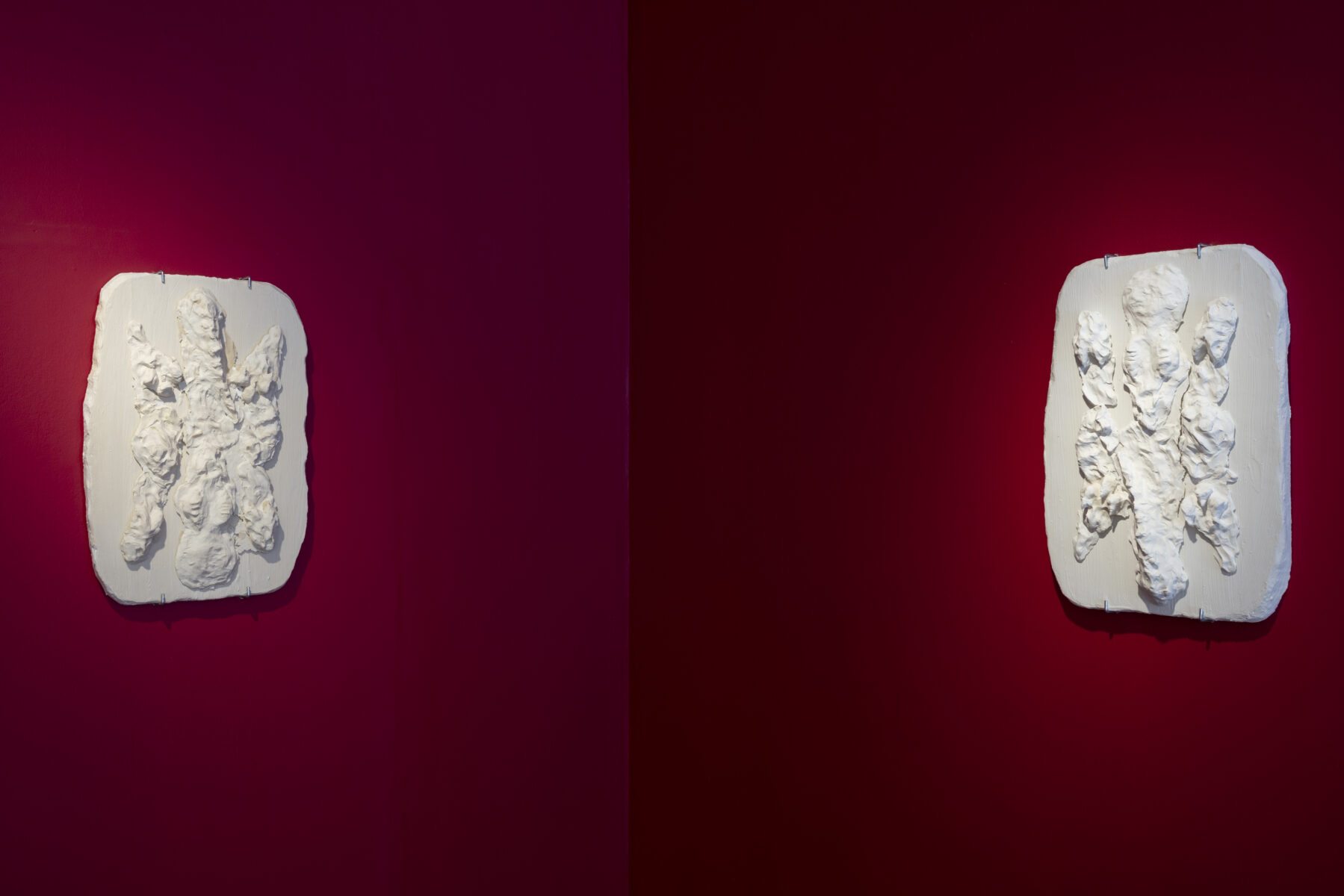
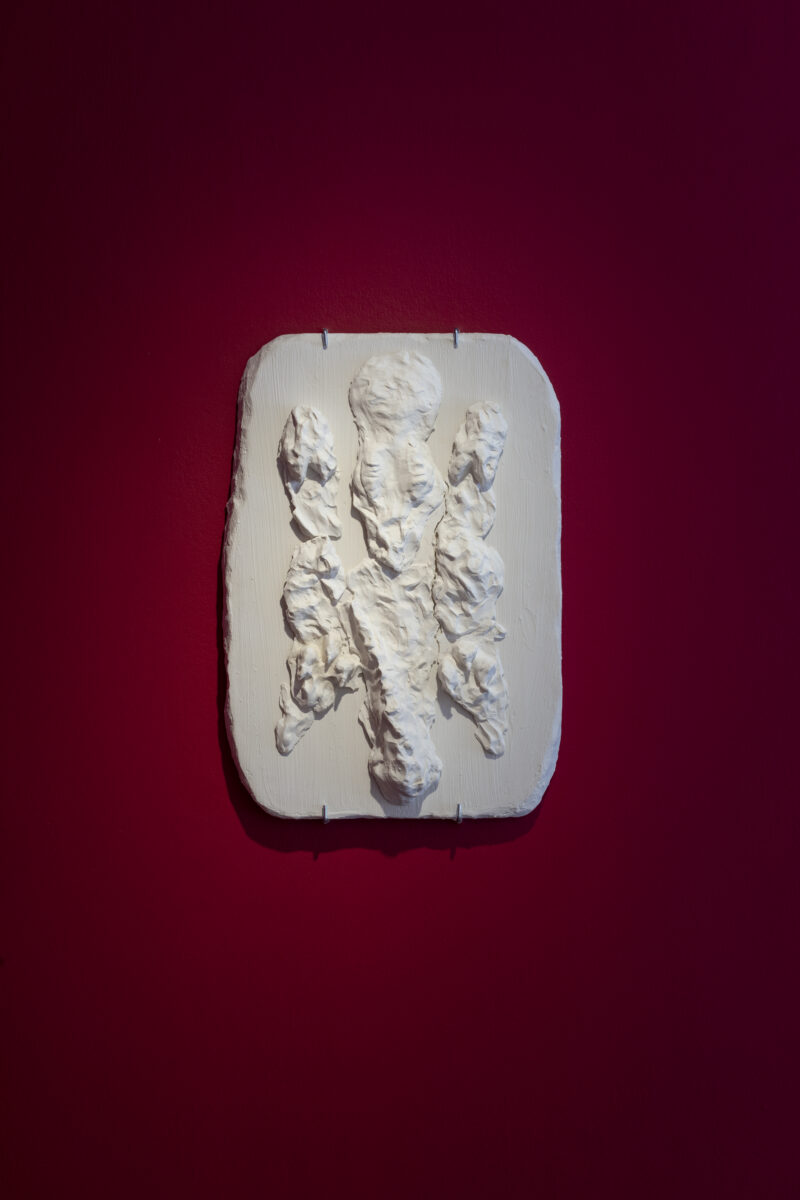
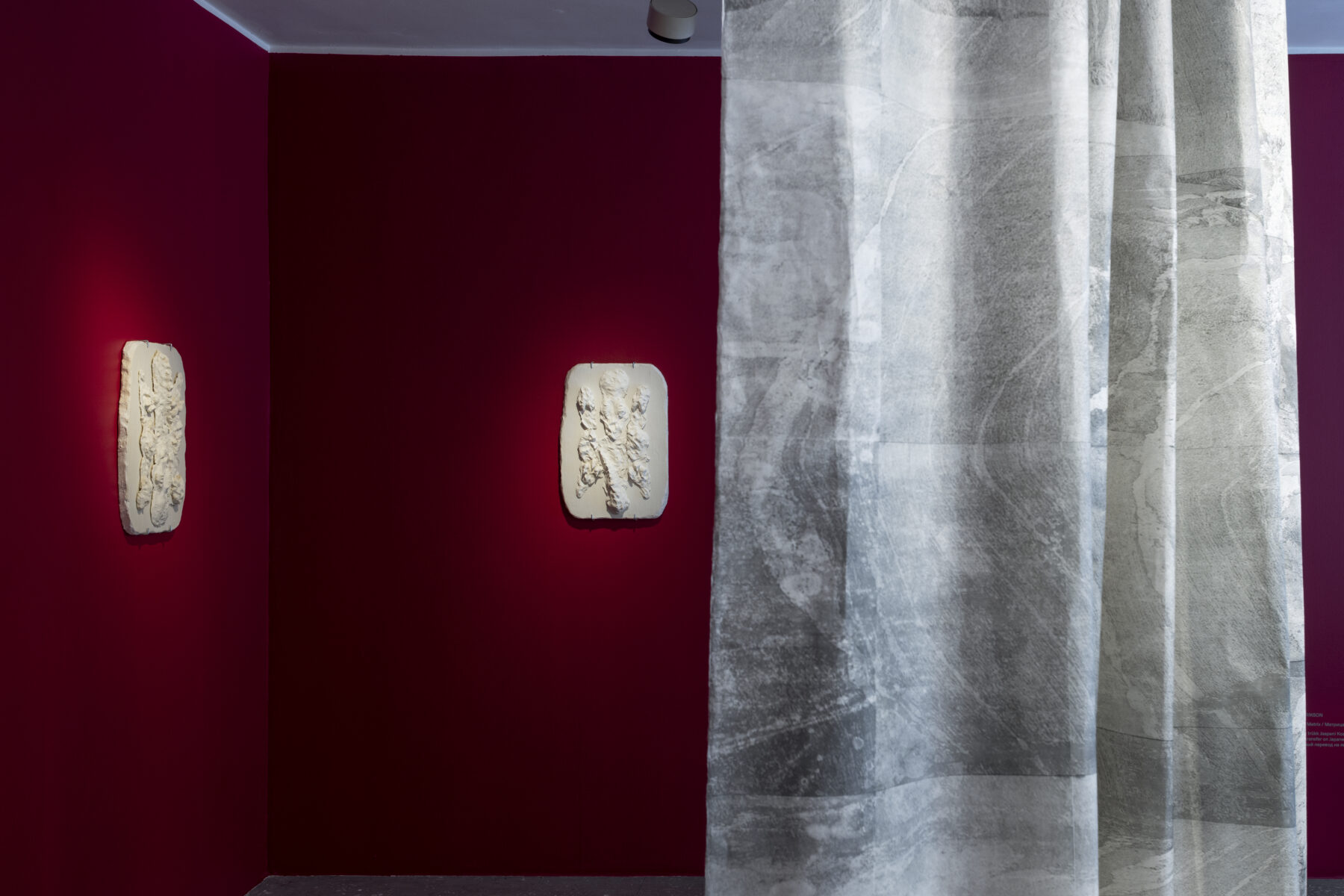
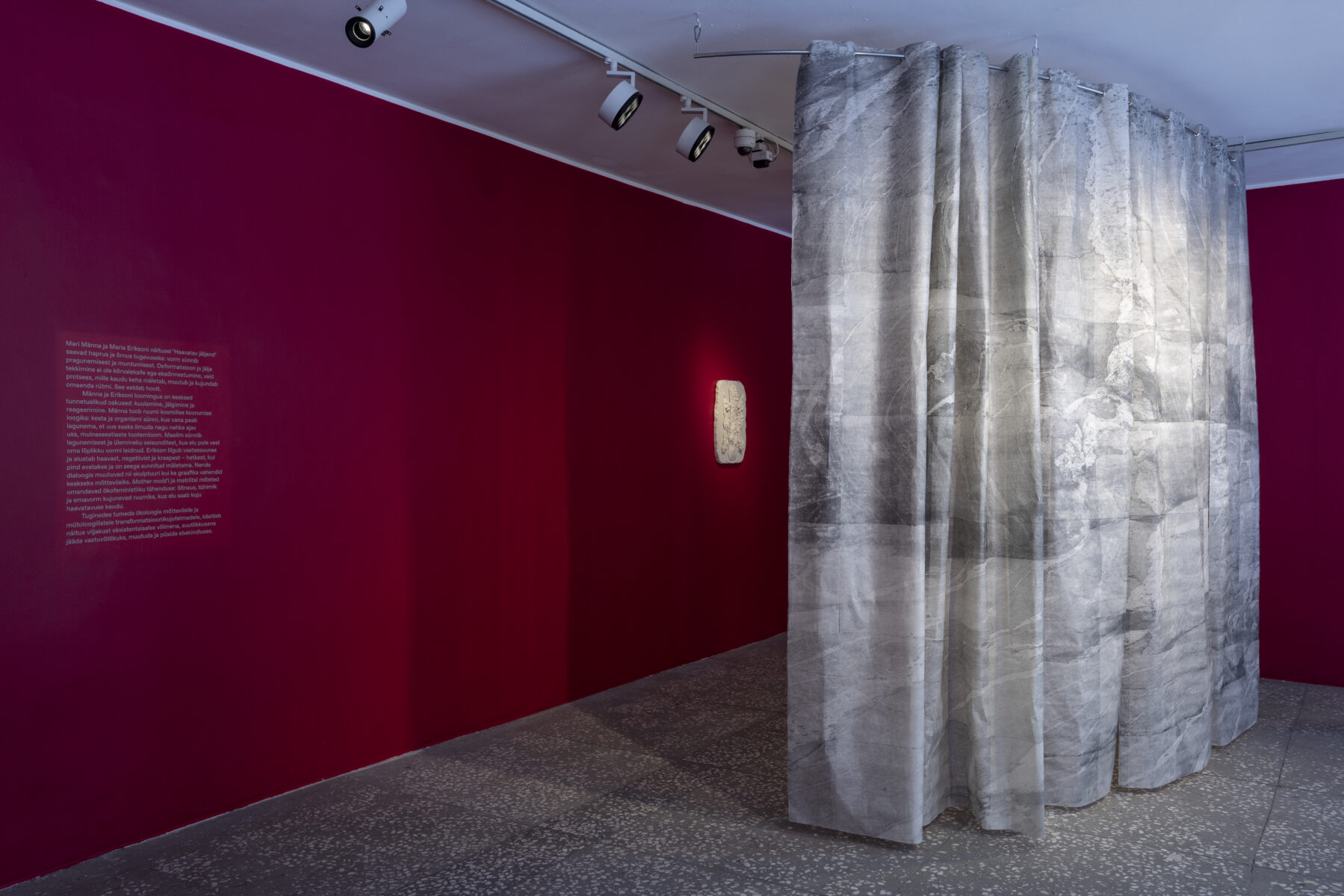
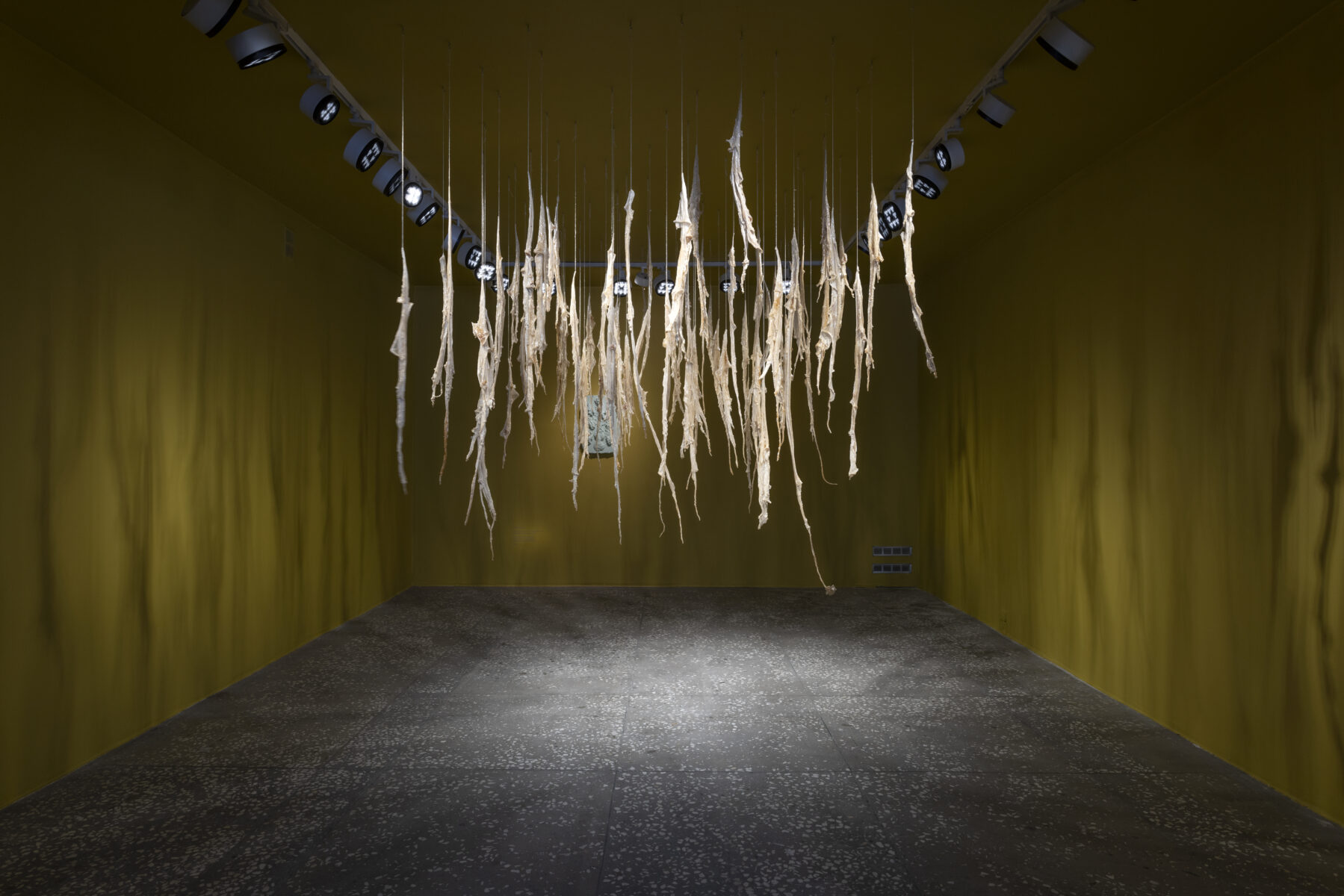
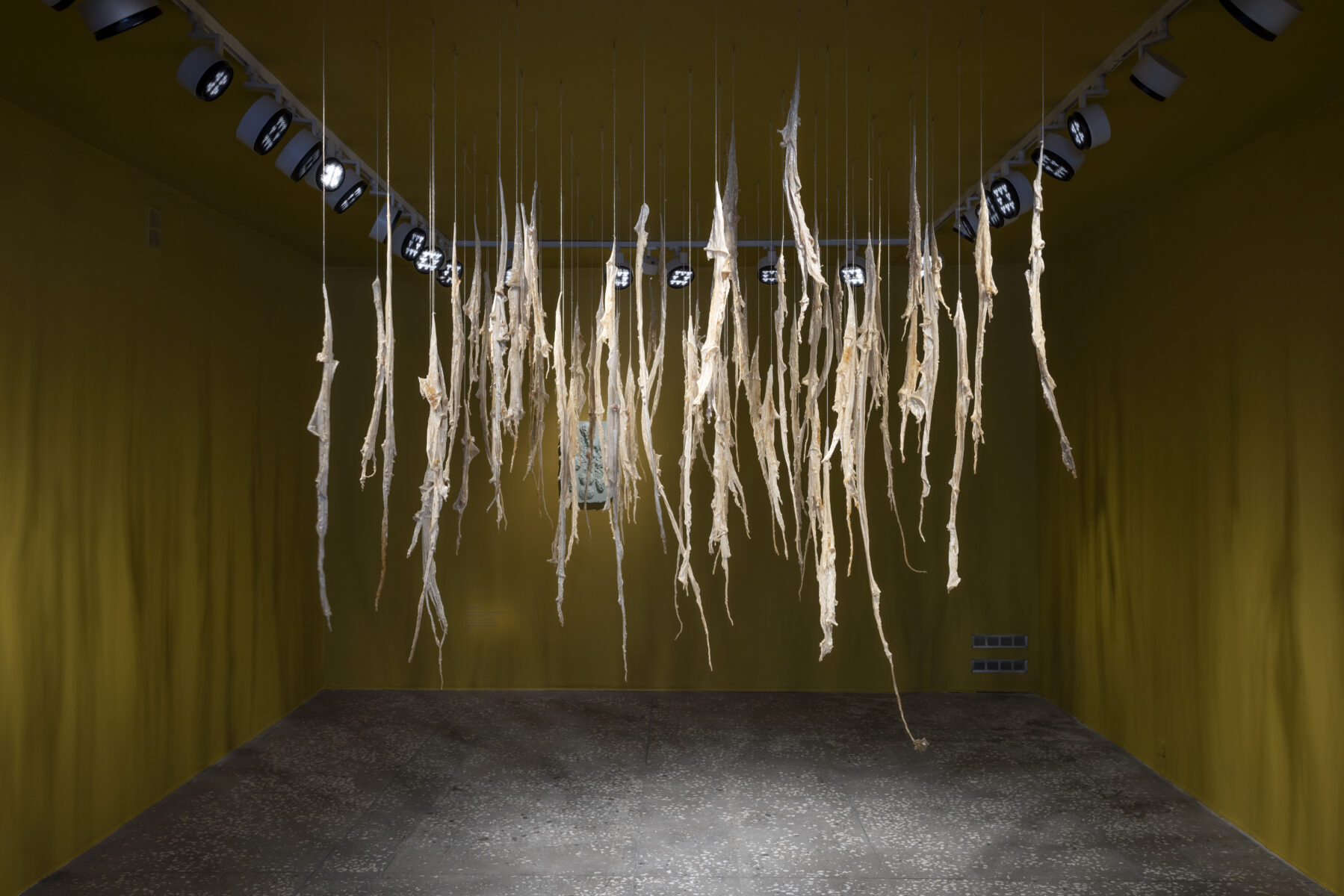
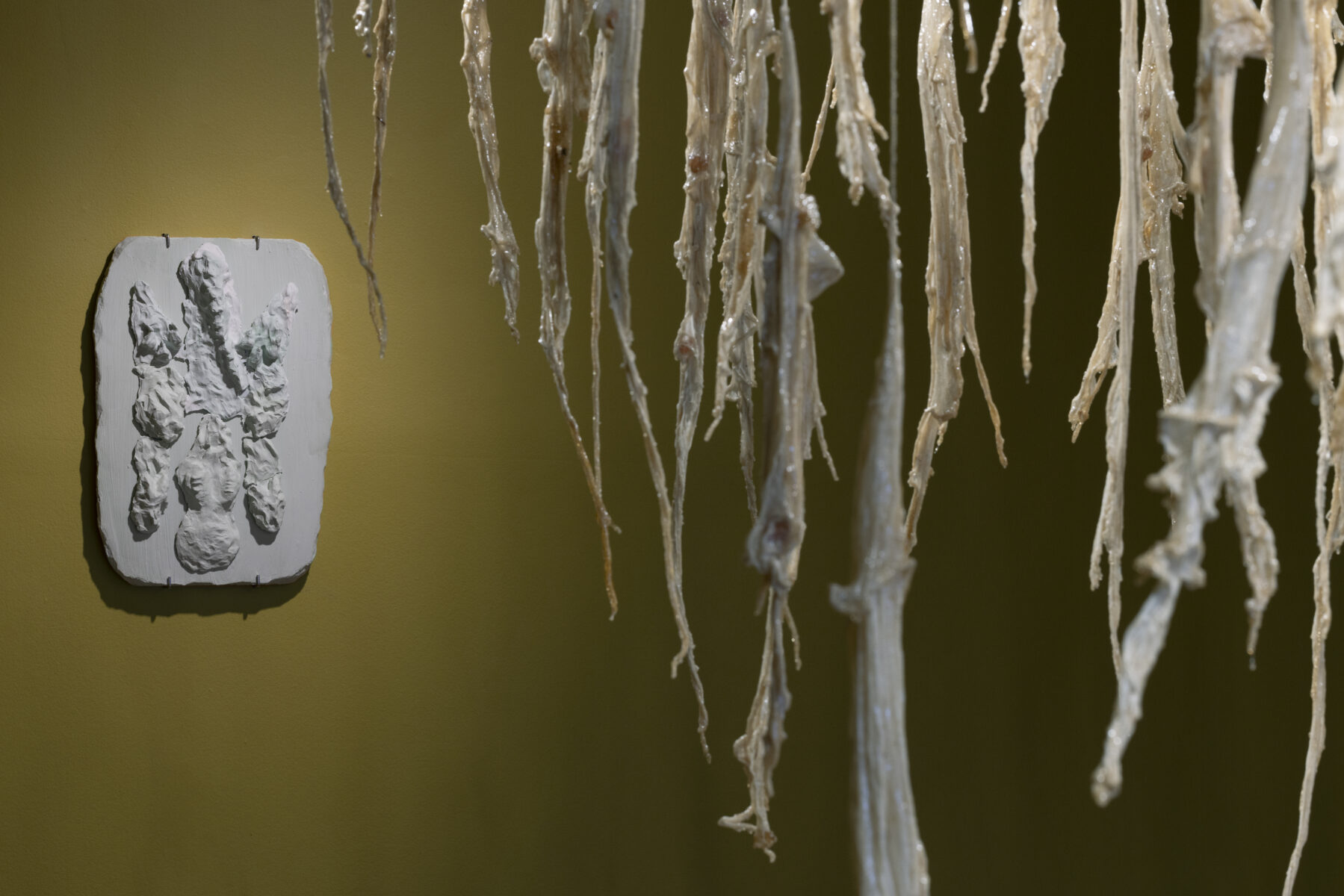
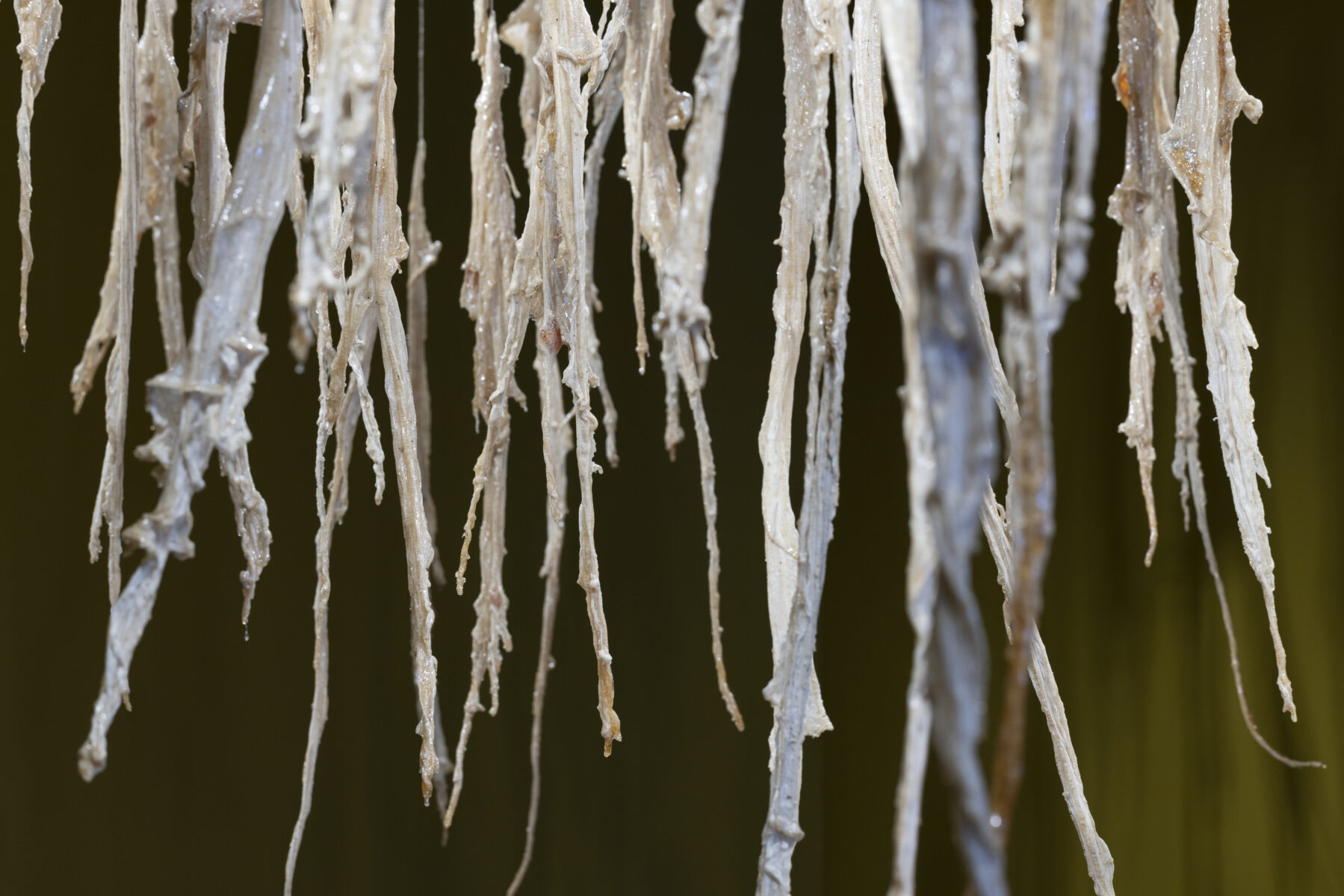
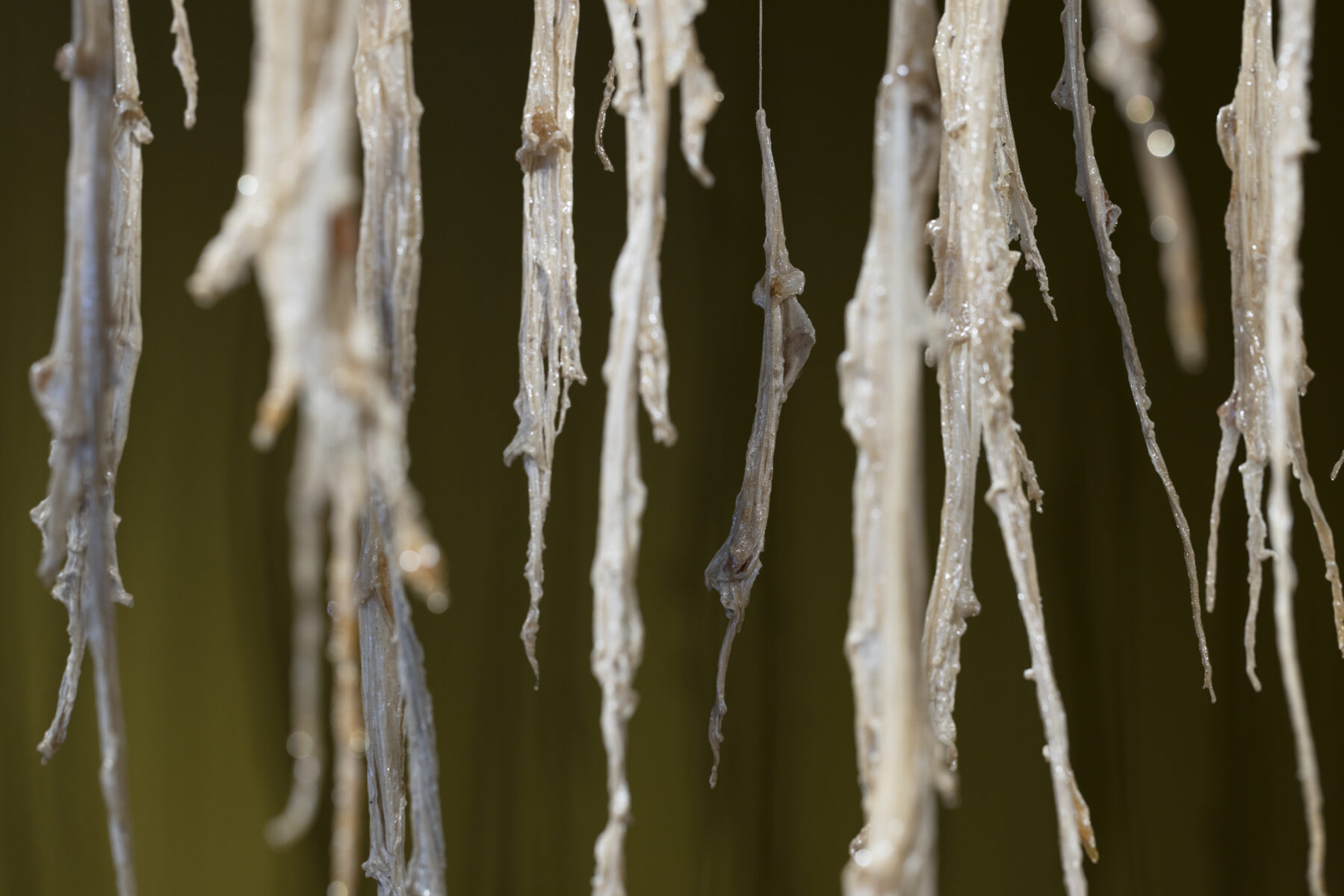
Working together for the first time, the artists approach the same question from different angles. In Männa’s works, a logic of emergence unfolds: the world is born from disintegration and transitional states in which life has not yet settled into its final form. Erikson begins with the wound – the moment when a surface is opened and forced to remember. For both artists, form is not an end point but a temporary condition, something still in the process of becoming.
Through sculptural and printmaking processes, the exhibition reveals how form emerges where something is broken or unfinished. Cracking, drying, imprinting, and deformation do not signify rupture, but a generative dynamic. The exhibition speaks of two modes of becoming – emergence and the wound – as different manifestations of the same process.
The exhibition is set against a world in which fixed boundaries are dissolving. The human no longer stands at the centre, but exists as one participant among bodies and materials in an entangled network. In such a world, fertility becomes receptivity – the ability to remain open even when the outcome is uncertain. Imprint of Vulnerability invites us to slow down and notice how life emerges precisely through interruption.
The exhibition will remain open until 5 April 2026.
Mari Männa (b. 1991) is an Estonian sculptor and installation artist whose work explores the formation of narratives and cultural identity. She holds a Master’s degree from the Estonian Academy of Arts and has pursued further studies at the Gerrit Rietveld Academie in Amsterdam and Aalto University in Helsinki. Her works intertwine folklore and contemporaneity, which she expresses through an intuitive form language that experiments with materials. Männa has exhibited in several solo and group exhibitions in Estonia and abroad, including at Tartu Art House, Draakon Gallery, and Uus Rada Gallery. In addition to her artistic activities, she works as a lecturer at the Estonian Academy of Arts.
Maria Erikson (b. 1985) is an artist living and working in Tallinn. She holds a Master’s degree with an emphasis on printmaking from the Academy of Fine Arts in Helsinki. Erikson’s practice focuses on dialogue between materials, exploring points of encounter and relationships between the body, stone, and the paper surface. In recent years, her work has been exhibited, among others, at the 19th Tallinn Print Triennial, Neon Gallery in Wrocław, Poland, and in a solo exhibition at GÜ Gallery. She has taught graphic arts at the Estonian Academy of Arts and the Oslo National Academy of the Arts, and previously at the Academy of Fine Arts in Helsinki. Her work has received several awards, including the Eduard Wiiralt Competition Exhibition Incentive Award (2025), the Eduard Wiiralt (2019), and the Ann-Margret Lindell Scholarship (2021, Sweden).
Related events
Sculpture Workshop at Tallinn City Gallery
Public programme